Broader Discussions of What Is Placemaking Connect Design Culture and Community
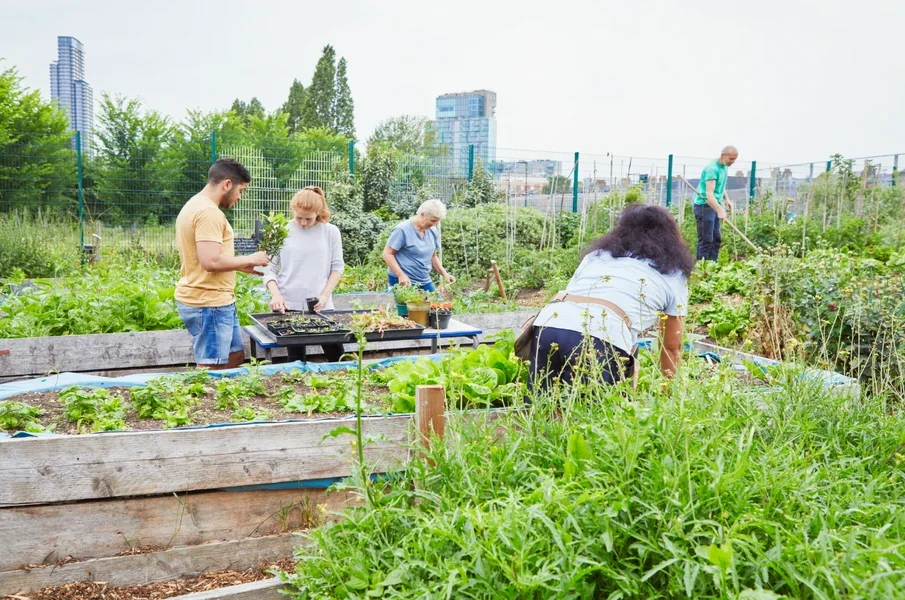
Shared spaces often influence how daily public life develops over time. The question what is placemaking helps explain how useful surroundings support social connection. Thoughtful planning considers local habits plus everyday needs before physical changes begin.
Public areas become more useful when residents contribute ideas during planning. Street layouts plus gathering areas can shape regular interaction between different groups. Broader Discussions of What Is Placemaking Connect Design Culture and Community reflects this approach.
Shared Spaces Shape Daily Life
Public areas affect movement plus communication throughout ordinary daily routines.Clear layouts can make gathering areas easier for different groups.
Useful seating creates simple opportunities for regular social contact nearby.Good planning also considers changing needs across different age groups.
Local Voices Guide Better Planning
Resident opinions can reveal needs that drawings may overlook completely.Regular feedback helps planners understand how public areas actually function.
Local stories can also explain important social habits within shared surroundings.Such knowledge supports decisions based on real daily use patterns.
Elements Supporting Useful Public Places
Successful public areas usually combine function plus identity in balanced ways.Small planning details can strongly affect regular use across shared settings.
- Clear walking routes help visitors move through shared areas safely.
- Suitable seating supports longer stays during regular community activities nearby.
- Open gathering zones create room for meetings plus public events.
- Shade structures provide useful shelter during warmer parts of days.
- Clear signs help newcomers understand routes without unnecessary confusion quickly.
- Local artwork can express shared stories through familiar visual ideas.
- Flexible layouts allow spaces to support changing public activities easily.
- Regular maintenance keeps shared surroundings useful throughout changing seasonal conditions.
These features work better when planners study actual daily movement carefully. Observation can show where physical changes may provide greater public value.
Culture Influences Spatial Character
Cultural habits often affect how shared places are arranged or used. Public art can communicate history through simple forms plus familiar symbols. Gathering patterns may also reflect customs passed through several generations. Respecting those details helps public areas retain a clear local identity.
How Do Shared Places Support Stronger Community Connections?
Well planned public areas create regular chances for social contact.
Residents can meet during daily routines without formal arrangements or events. Such encounters may strengthen familiarity among neighbours over longer periods. The idea behind what is placemaking becomes clearer through these ordinary connections. Useful surroundings also support different activities without forcing one fixed purpose.
Children may gather while adults use nearby seating for conversation.Flexible spaces can change according to local schedules plus seasonal needs. Steady community involvement keeps future improvements connected to actual public use.
Design Responds to Daily Needs
Useful planning starts by observing how an area currently functions daily.Movement patterns can reveal crowded points plus spaces receiving little use.Simple adjustments may improve usability without requiring major physical rebuilding.
Common Questions About Shared Spaces
Frequent questions can clarify how thoughtful public planning works in practice.Simple answers also show how local participation influences everyday surroundings.
- Who should contribute ideas? Residents plus planners should share observations.
- When should feedback begin? Community input should start before major decisions.
- What makes spaces useful? Flexible layouts support several everyday public activities.
- How does culture matter? Local customs influence identity plus spatial use.
- Where should improvements start? Busy shared areas often reveal immediate needs.
- What supports lasting value? Regular care keeps public spaces functional longer.
These answers show that successful planning involves more than physical appearance.Regular observation plus public feedback remain important throughout later changes.
Steady Planning Creates Meaningful Places
Strong shared areas grow through careful choices plus ongoing local involvement.Reliable upkeep preserves function while flexible planning supports changing social needs.Clear observation helps decision makers respond to real patterns without unnecessary changes.Consistent action often produces stronger results than chasing completely perfect outcomes.Measured execution keeps common surroundings useful for many years ahead.