Understanding RCBO Protection: When a Combined RCD and MCB Suits Australian Installations
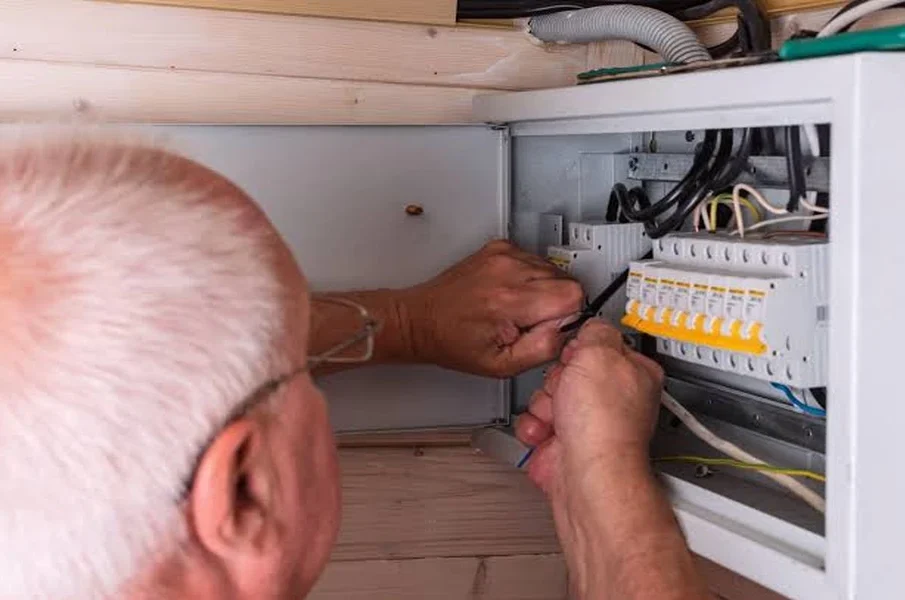
Electric shock kills or injures Australians every year. Safety switches exist to stop that from happening. An rcbo joins two devices inside one compact unit. It detects earth leakage like a safety switch. It also trips on overloads like a circuit breaker. That pairing means one faulty appliance shuts down only its own circuit.
How Earth Leakage Detection Actually Works
The device compares current flowing out through the active against current returning through the neutral. Any difference suggests current leaking through a person or faulty appliance. Domestic units trip at 30 milliamps. This happens within a fraction of a second.
Signs a Switchboard Needs an Upgrade
Older boards often lack modern safety features. These signs suggest it is time to call an electrician.
· Ceramic fuses still sit inside the old meter box.
· One safety switch covers every circuit throughout the house.
· Nuisance tripping cuts power to the fridge without warning.
· Renovations have added new circuits for kitchens or bathrooms.
· Scorch marks or burning smells appear near the board.
· Solar panels or batteries were installed after the original wiring.
· An electric vehicle charger is planned for the garage soon.
· The property is being sold or rented to tenants.
What the 2018 Wiring Rules Require
AS/NZS 3000:2018 requires RCD coverage on all final subcircuits in new domestic work. It also limits how many circuits one RCD may cover. Using individual RCBOs meets these rules easily. Each circuit then trips independently.
Which Type Handles Modern Appliances Like EV Chargers?
Older units are often Type AC. They detect standard alternating leakage only. Many modern appliances use electronics that create pulsating DC leakage. Washing machines, inverters plus induction cooktops fall into this group. Type A units detect these extra fault currents.
Electric vehicle chargers raise another concern. Some produce smooth DC leakage during faults. That can blind a standard device. Many chargers include built-in DC leakage detection for this reason. Others need a Type B unit upstream. The charger manual usually states what is required. Your electrician should check this ahead of installation. Choosing correctly avoids failed inspections plus unsafe circuits.
Testing Safety Switches at Home
Press the test button every three months. The device should trip immediately. If it does not, call a licensed electrician.
Comparing Three Common Board Devices
Each device covers different risks.
| Device | Detects Overload | Detects Earth Leakage | Circuits Affected When Tripping |
|---|---|---|---|
| MCB | Yes | No | One |
| RCD | No | Yes | Several |
| RCBO | Yes | Yes | One |
Choosing the Correct Rating for Each Circuit
These are typical household figures. Final ratings depend on cable size plus load, so your electrician decides.
| Circuit | Typical Rating |
|---|---|
| Lighting | 6 A to 10 A |
| General power | 16 A to 20 A |
| Oven or cooktop | 25 A to 32 A |
| Air conditioning | Depends on unit size |
| EV charger | Depends on charger output |
Doubts Homeowners Raise About Safety Switches
- Can I install one myself? No. Australian law requires a licensed electrician for switchboard work.
- How much leakage trips a household unit? Thirty milliamps is the standard sensitivity for domestic final subcircuits.
- Does every circuit need its own device? Not always, but individual units stop one fault from cutting power everywhere.
- What causes repeated tripping overnight? Often a faulty appliance, moisture, or damaged wiring on that circuit.
- How often should testing happen? Press the test button roughly once every three months at home.
- Do older homes need upgrading? Many benefit greatly, especially if they still rely on ceramic fuses.
Working With a Licensed Electrician
Ask for a quote that lists each device. A good electrician explains where an rcbo suits better than a shared safety switch. Request a certificate of compliance once work finishes. Keep it with your property records.
Regular Checks Keep Households Secure
No board stays perfect forever. Wiring ages while household needs change. Press the test button on a set schedule. Book an inspection when renovating or adding big loads. Small routine checks matter more than one expensive upgrade done once.