
Why Mattress Recycling Is Becoming a Vital Trend Across Canada Today
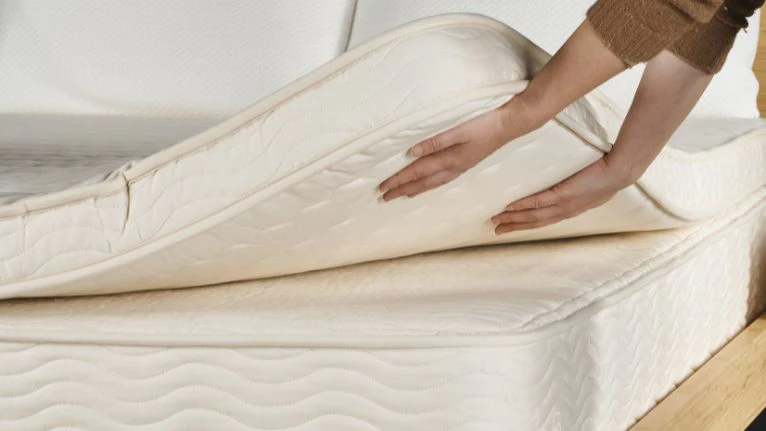
Canada’s growing mattress waste problem is hiding in plain sight. Each year, hundreds of thousands of bulky, forgotten mattresses pile up, stretching landfills to their limits and putting the country’s environmental future at risk. What’s behind this crisis, and why is mattress recycling now gaining momentum in communities nationwide?
The Growing Mattress Waste Crisis in Canada
The average Canadian replaces a mattress every 8 to 10 years, but few consider what happens next. Multiply this by millions of households, and the scale of the problem is clear.
The Scale of Mattress Disposal: Numbers and Impact
In Quebec and Ontario alone, over 400,000 mattresses are discarded annually. This number climbs even higher when factoring in other provinces. With each mattress taking up significant landfill space, their cumulative impact is staggering.
Why Old Mattresses Are an Environmental Hazard
Mattresses are built to last for years, but unfortunately, that durability becomes a liability after disposal. Made from non-biodegradable materials like foam, metal, and synthetics, a single mattress can linger in a landfill for up to a century before breaking down. Along the way, hazardous chemicals and microplastics can leach into soil and groundwater.
Limitations of Current Waste Management Systems
Many municipal waste systems simply aren’t equipped to handle the sheer volume and complexity of mattress disposal. Unlike typical household trash, mattresses are bulky, hard to compact, and can damage landfill equipment. As a result, they often end up dumped illegally or crowding already strained landfill sites.
Barriers to Sustainable Mattress Disposal
Canada’s journey toward sustainable mattress disposal is fraught with obstacles.
Lack of National Policies and Regulations
Surprisingly, there is no Canada-wide policy for ecological mattress management. Individual municipal programs are often piecemeal, leaving gaps in service and enforcement. Even the United States has been slow to adopt comprehensive solutions.
Challenges in Recycling Mattress Materials
Mattresses are made from layers of diverse materials, steel springs, cotton, foam, and wood. Separating and reprocessing these materials requires specialized technology and labor, making large-scale recycling logistically challenging and, until recently, financially unappealing.
Consequences of Landfilling Mattresses
When mattresses end up in landfills, the consequences ripple outward: wasted resources, increased pollution, and premature filling of landfill sites. The reality is simple: what cannot decompose will continue to haunt the environment for generations.
Innovative Solutions in Mattress Recycling
Despite the challenges, several trailblazing organizations are proving that mattress recycling is both possible and impactful.
How Mattress Recycling Works: From Collection to Material Recovery
The process starts with targeted mattress collection, either through drop-off points, municipal pick-ups, or retailer take-back programs. Specialized facilities dismantle each mattress, separating metal springs, foam, fabric, and wood. Each component is then processed for reuse, metal for new manufacturing, foam for carpet underlay, and textiles for industrial applications.
Recyc-Matelas: Pioneering Large-Scale Mattress Recycling in Canada
One company stands at the forefront of this effort. Founded in 2007, Recyc-Matelas operates across Quebec, Ontario, France, and Belgium, handling over 400,000 mattresses per year in Canada alone. Their unique technology allows them to process large volumes, providing a real alternative to landfilling and supporting the needs of major cities and municipalities.
You can learn more about these efforts by exploring recyclage matelas Canada, a valuable resource for anyone interested in the topic.
Technology and Processes That Enable Zero Landfill
Recyc-Matelas has achieved a near-zero waste process, where all dismantled materials are recovered and given new life, ensuring nothing returns to landfill. This innovative model is showing other regions what’s possible with the right investment and commitment.
Environmental and Social Benefits of Mattress Recycling
The advantages of mattress recycling extend far beyond just saving landfill space.
Reducing Landfill Overflow and Pollution
By diverting mattresses from landfill, recycling programs drastically cut down on pollution, greenhouse gas emissions, and potential soil and water contamination.
Creating Sustainable Jobs and Social Inclusion
Recyc-Matelas and similar organizations also focus on social impact. By creating stable, meaningful jobs, including for individuals with intellectual disabilities, they foster inclusion and a higher quality of life, blending environmental action with social responsibility.
Success Stories: Impact in Quebec, Ontario, and Beyond
With more than 1.4 million mattresses recycled annually across North America and Europe, the proof is in the numbers. Cities partnering with these initiatives are witnessing the difference: less landfill overflow, cleaner neighborhoods, and more engaged communities.
The Role of Municipalities and Businesses
Scaling mattress recycling requires more than just technology.
How Cities Can Integrate Mattress Recycling Programs
Forward-thinking municipalities are starting to include mattress recycling in their waste management strategies, often through public-private partnerships that improve accessibility and efficiency.
Partnerships Between Private Sector and Government
By working together, businesses and government agencies can share costs, streamline logistics, and create new recycling infrastructure that makes the process easier for consumers and more sustainable long term.
Overcoming Logistic and Financial Challenges
Investment in collection networks, public education, and recycling technology is crucial. Many successful programs are funded by modest eco-fees on new mattress sales, supporting ongoing collection and processing efforts.
What Consumers Can Do to Support Mattress Recycling
Change starts at home.
– Research local recycling drop-off locations or municipal pick-up events.
– Choose mattresses and retailers that offer recycling or take-back programs.
– Spread the word to friends and family to increase participation and pressure for better policies.
The Future of Mattress Recycling in Canada
Momentum is building, but the journey is far from over.
Potential Policy Developments on the Horizon
As public awareness grows, so does the push for stronger national regulations and standards for mattress recycling. Provinces may soon require producer responsibility and set clear targets for recycling rates.
Scaling Innovations and Expanding Access
The next step is expanding these solutions to more regions, making mattress recycling accessible not just in major cities but in small and remote communities as well.
Envisioning a Circular Economy for Mattresses
Ultimately, the goal is a circular economy where every mattress is designed for end-of-life recovery, closing the loop on waste and protecting Canada’s environment for future generations.
Taking Action Today: Steps Toward a Greener Tomorrow
Mattress recycling is more than a trend, it’s a necessity. From supporting organizations like Recyc-Matelas to advocating for better local programs, everyone can play a role in building a cleaner, more responsible Canada. The solution is here, and it’s time to rise to the challenge.


