Acoustic Panels: Why Placement Matters More Than Quantity In Many Spaces
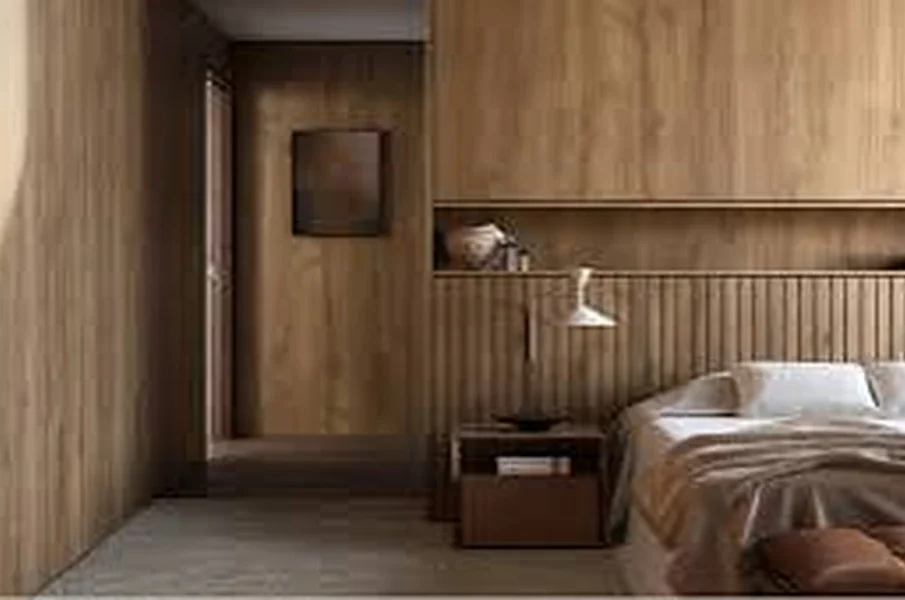
When people first look into improving sound quality in a room, the instinct is often simple: add more acoustic panels. It sounds logical. More panels should mean better sound control, right? In reality, that approach can lead to unnecessary spending and underwhelming results.
What truly makes a difference is not how many panels you install, but where you place them. In many spaces, thoughtful positioning of sound panels delivers far better outcomes than covering every available surface. Once you understand how sound behaves in a room, this becomes much clearer.
How Sound Actually Moves in a Room
Sound does not just travel in a straight line from its source to your ears. It spreads out, reflects off surfaces, and continues bouncing around long after the original sound is produced.
Hard surfaces such as walls, ceilings, and floors reflect sound waves. This creates echoes, reverb, and that slightly “busy” feeling you might notice in untreated rooms. In smaller or compact spaces, these reflections happen quickly and repeatedly, which can make speech harder to understand or music sound less defined.
Acoustic panels are designed to absorb these reflections. However, they only work when they intercept sound at the right points in its path. This is where placement becomes far more important than quantity.
The Problem with “More Panels Everywhere”
It is easy to assume that covering an entire wall with panels will solve all sound issues. In some cases, it may even create new problems.
Over-treating a room can make it feel unnaturally flat or dull. Instead of a balanced sound, you end up with a space that lacks liveliness. This is especially noticeable in living rooms or home offices where a bit of natural ambience is still desirable.
There is also the issue of diminishing returns. Once key reflection points are treated, adding more panels often produces only minor improvements. Without a clear strategy, you may end up investing more without achieving better results.
Focus on First Reflection Points
If there is one concept that makes the biggest difference, it is this: first reflection points.
These are the areas where sound waves hit a surface and bounce directly towards your ears. Treating these points significantly reduces echo and improves clarity.
In a typical room, first reflection points are often found:
- On the side walls beside your seating or listening position
- On the ceiling above the main activity area
- On the wall directly opposite the sound source
A simple way to identify these spots is the mirror trick. Sit in your usual position and have someone move a mirror along the wall. Wherever you can see the speaker or sound source in the mirror, that is a reflection point worth treating.
Targeting these areas with a few well-placed panels often achieves more than placing many panels randomly around the room.
Treat the Wall Behind the Sound Source
Another key area is the wall behind your speakers, television, or main noise source. Sound waves radiate backwards as well as forwards, and untreated surfaces behind the source can cause reflections that muddy the overall sound.
Placing acoustic panels here helps tighten and clarify what you hear. In a home office, this can improve how your voice sounds during calls. In a living room, it can enhance dialogue clarity when watching films.
Again, a small number of panels in the right location can make a noticeable difference.
Do Not Ignore the Ceiling
Ceilings are often overlooked, yet they play a major role in how sound behaves, especially in compact spaces.
In rooms with hard flooring, sound reflects between the floor and ceiling, creating a vertical echo effect. This can make a space feel louder than it actually is.
Installing panels on the ceiling above your main activity area helps absorb these reflections. Even a modest ceiling treatment can improve clarity without taking up any wall space, which is particularly useful in smaller homes.
Balance Is Key
Good sound control is not about eliminating all reflections. It is about creating balance.
A well-treated room still allows some sound to reflect naturally, which keeps the space feeling comfortable and realistic. Too much absorption can make conversations feel unnatural or make music sound lifeless.
This is why strategic placement works better than excessive coverage. You are shaping how sound behaves, not silencing it completely.
Practical Tips for Compact Spaces
In smaller homes or apartments, every design choice needs to work harder. Acoustic panels are no exception.
Choose multi-functional designs where possible. Some panels double as decorative wall features, helping them blend seamlessly into your space.
Focus on high-impact areas instead of spreading panels thinly across every surface. A few panels placed correctly will outperform many placed without a plan.
If wall space is limited, consider freestanding panels or even furniture placement. Bookshelves, upholstered headboards, and thick curtains can all contribute to sound absorption when positioned thoughtfully.
When More Panels Do Make Sense
There are situations where adding more panels is justified. For example, recording rooms, podcast studios, or dedicated home theatres often require a higher level of control.
Even in these cases, placement still comes first. Professionals start with key reflection points and then add more treatment gradually, ensuring each addition serves a purpose.
For everyday living spaces, however, a targeted approach is usually more than enough.
Final Thoughts
It is tempting to think that improving a room’s acoustics is simply a numbers game. In reality, the effectiveness of acoustic panels depends far more on placement than quantity.
When you focus on how sound moves through your space and treat the most important reflection points, you can achieve clearer, more comfortable acoustics without overcomplicating things.
A thoughtful setup not only saves money and space but also creates a room that sounds as good as it looks. In many cases, less truly is more, as long as it is placed exactly where it matters.