High Performance Plastics Supporting Precision Manufacturing Across Industrial Applications
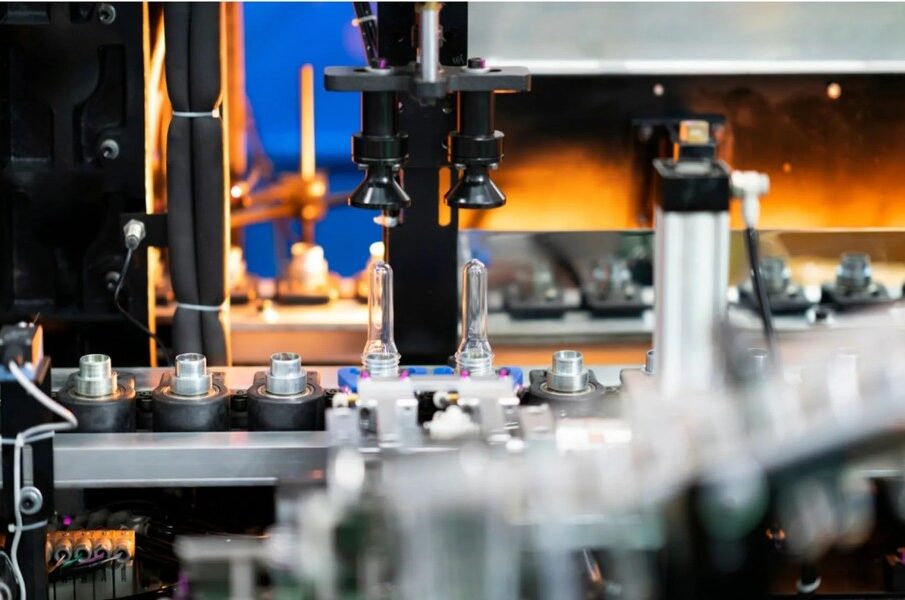
Modern production groups seek steady material strength for long-term output growth. Many sectors prefer plastic compounds that resist heat pressure plus surface wear during repeated usage. Careful material selection supports stable shaping methods with fewer waste concerns during daily operations. Teams also value smooth finishing methods that maintain exact form during extended production cycles using torlon 4301 for reliable strength and consistent performance.
Material Strength Control
Strong material selection supports accurate shaping during complex assembly tasks. Each component requires a stable balance during repeated motion within demanding units. Reliable plastic grades reduce surface damage during constant friction exposure. Better strength levels also support cleaner output with lower maintenance needs across busy production centers.
Stable Heat Resistance
Heat control remains important for smooth equipment movement during long schedules. Strong compounds maintain a steady structure during rising temperature conditions without sudden damage. The torlon 4301 supports controlled movement during intense processing periods with reliable durability.
- Strong thermal balance supports reliable shaping during demanding production schedules
- Smooth surface retention reduces unwanted marks during repeated movement cycles
- Controlled pressure support maintains steady operation through extended equipment usage
- Balanced structural quality improves dependable output across complex assembly sections
- Reliable material response supports cleaner forming within active processing environments
Surface Finish Accuracy
Clean finishing standards help many producers maintain exact shape alignment during output stages. Refined plastic material supports smooth edges with reduced roughness after shaping procedures. Better finishing methods also lower correction work during final inspection routines. Consistent texture quality improves assembly balance across various mechanical production environments.
Long-Term Output Stability
Reliable compounds help reduce breakdown risks during continuous manufacturing schedules. Stable plastic material keeps a steady structure despite repeated motion within demanding units. Consistent support levels also improve workflow timing across different assembly operations.
- Durable material structure supports steady movement during extended operating periods
- Refined compound balance improves reliable fitting within compact assembly sections
- Strong wear resistance lowers maintenance needs across active production environments
- Controlled shaping response supports cleaner alignment through repeated forming procedures
- Dependable operational support improves workflow timing during demanding industrial activities
Efficient Component Development
Modern producers seek practical solutions that support exact shaping needs during production stages. Advanced compound selection helps maintain stable movement while reducing material strain. Careful processing methods also improve fitting quality across compact assembly sections. Reliable plastic options support cleaner operation with dependable output throughout active manufacturing processes.
Careful material planning supports smoother production goals with fewer operational setbacks. Reliable compounds improve shaping accuracy while supporting dependable movement during continuous activity. Strong resistance against heat plus surface wear also helps producers maintain cleaner workflow timing across demanding environments. Proper selection methods give manufacturers practical support for stable growth with better operational balance over extended usage periods.
FAQs
Which materials support steady output during demanding manufacturing operations today?
Reliable engineered compounds maintain stable movement through extended production activities.
Why do producers choose durable compounds for complex assembly requirements?
Strong material balance improves shaping accuracy with lower maintenance concerns.
Which factors improve dependable forming quality during repeated production schedules?
Heat resistance plus surface stability support cleaner operational performance consistently.